
Vision and philosophy
Vision
Identity is not an image of the past: it is a living process between people, place and time.
The starting point
Today's cities look more and more alike. MESO-FRAME was born to answer that loss: how can a place evolve without ceasing to be recognisable?
For Murouj Kharoufa, architecture is a mirror of society: it records the meeting between those who dwell, the climate and land that host them, and the transformations of history. MESO-FRAME works in the in-between space — the meso — between the building memory of the Middle East and European design culture, translating those values into a contemporary language without copying their forms.
CITAA 2026 · Politecnico di Torino
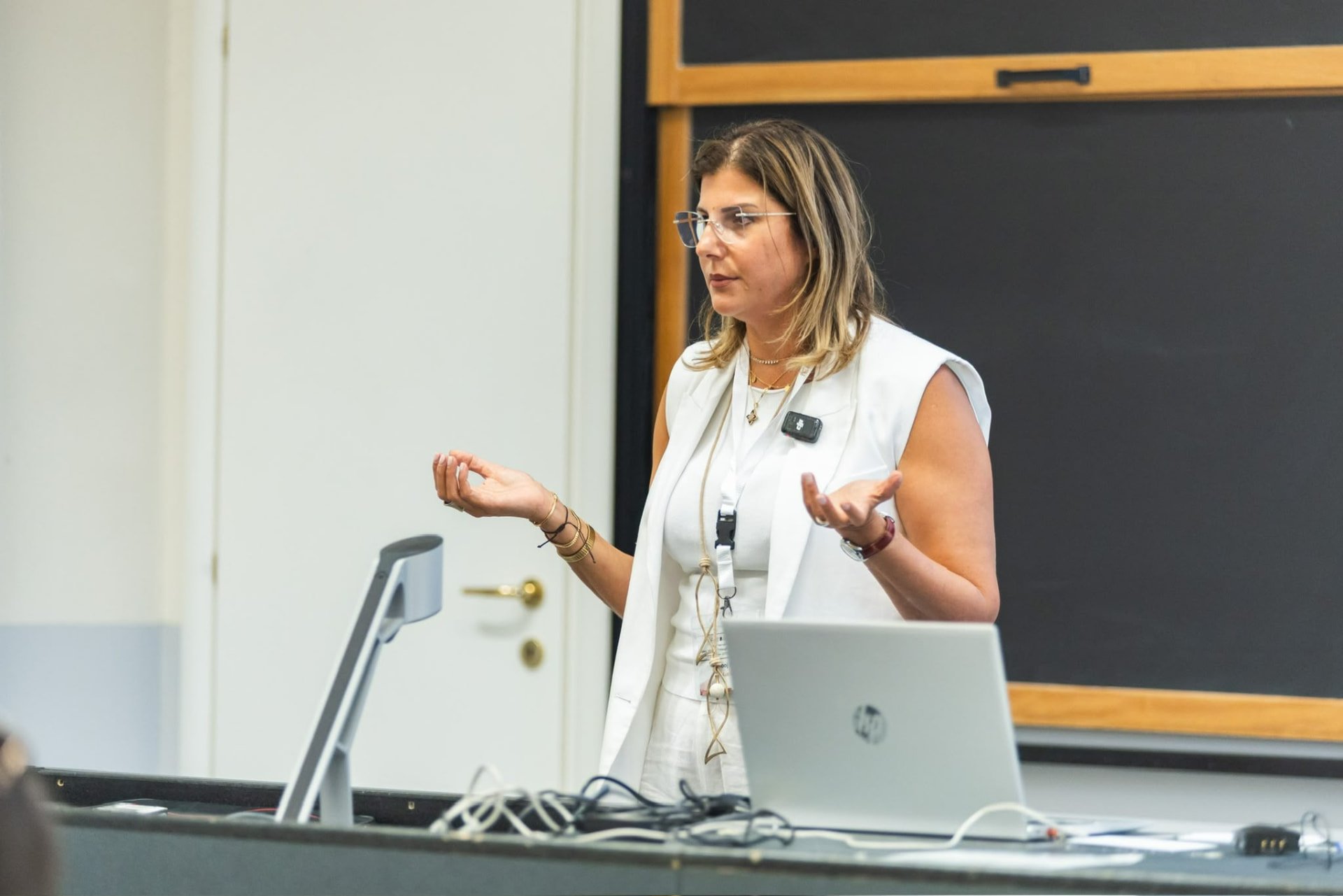
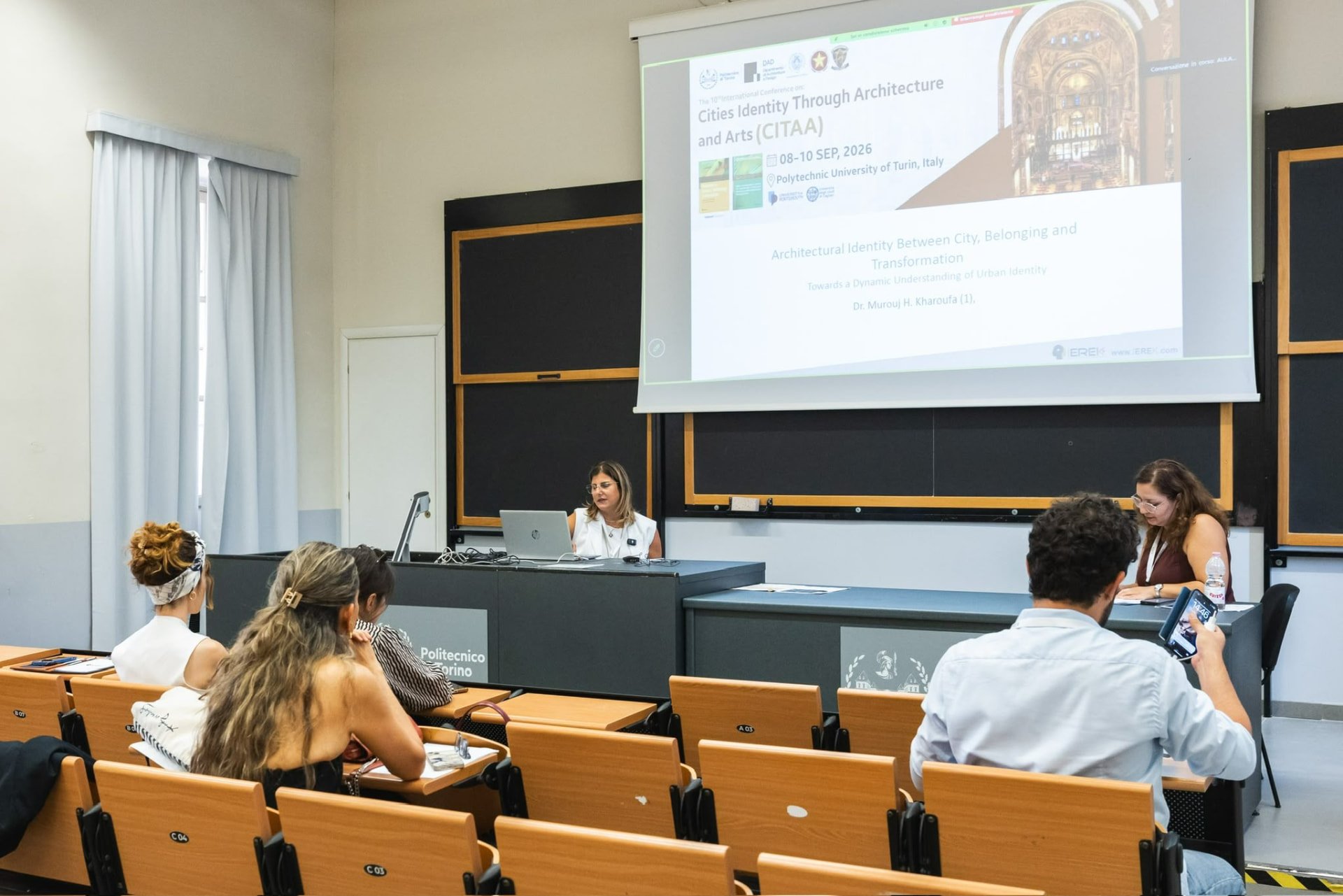
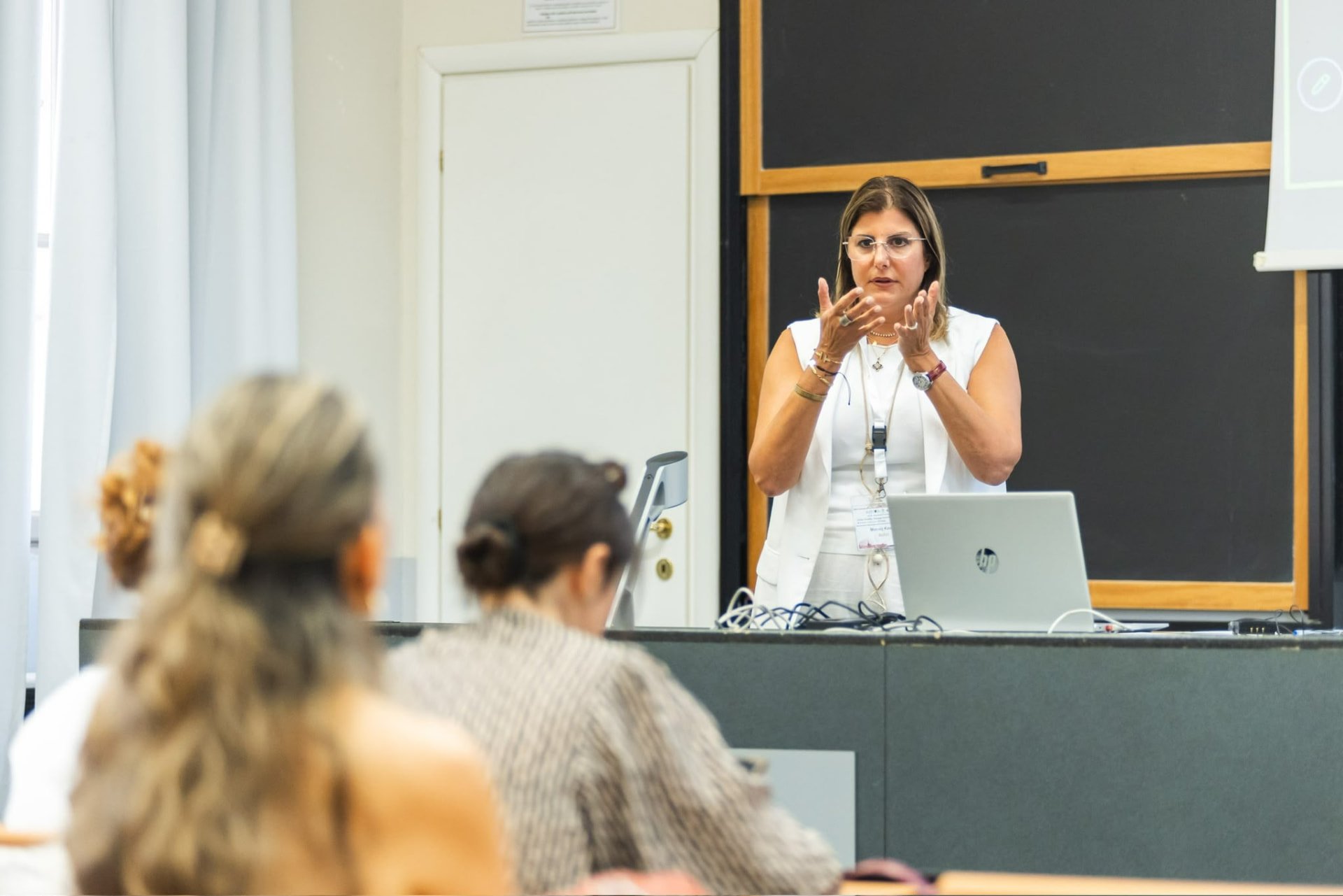
Murouj Kharoufa presenting her research on identity and belonging.
Philosophy
Four convictions
01
Identity is dynamic
Not a fixed visual character, but the ever-moving result of the interaction between people, place and time. What endures and what changes live side by side.
02
Belonging to a place
“To be inside a place is to belong to it and to identify with it.” From home to neighbourhood to city, architecture shapes every scale of feeling at home.
03
Translate, don't quote
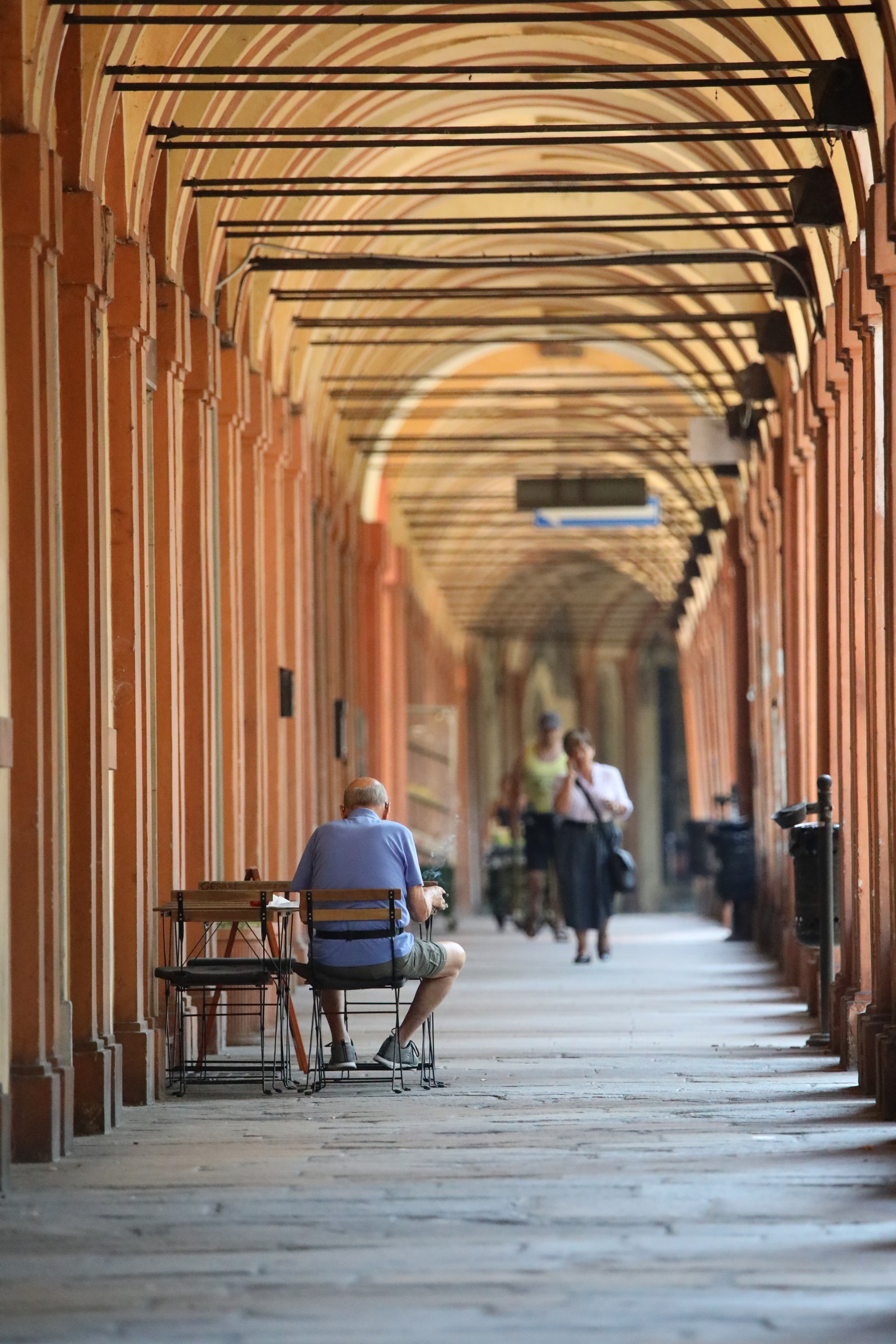
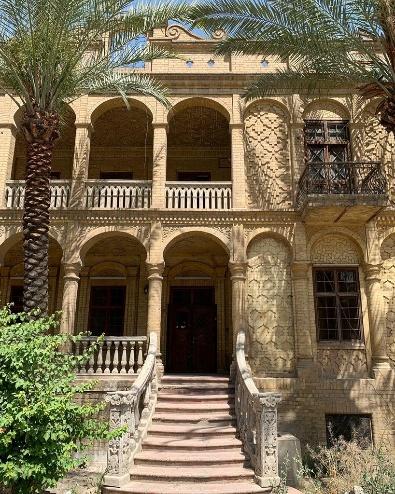
The arch, the mashrabiya, the loggia: not ornament but knowledge. Filtering light, protecting privacy, guiding air, softening the edge between room and street.
04
The threshold as project
Shaded transitional spaces — loggias, porches, terraces — are the heart of the Middle Eastern home: a climatic and social filter between inside and out.
The method
From analysis to design
People
Cultural and social values, privacy, ways of living the home and the family.
Place
Sun and shade, temperature, water, vegetation, local materials, landform and skyline.
Time
The layers of history: what remained, what changed, what can evolve.
Design
Identify, analyse, translate: an architecture that strengthens belonging and continuity.
Teaching
Growing together with students
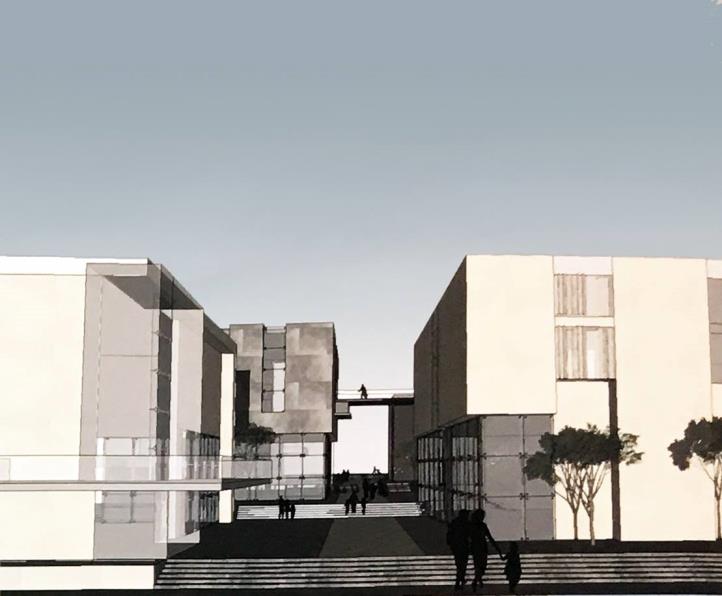
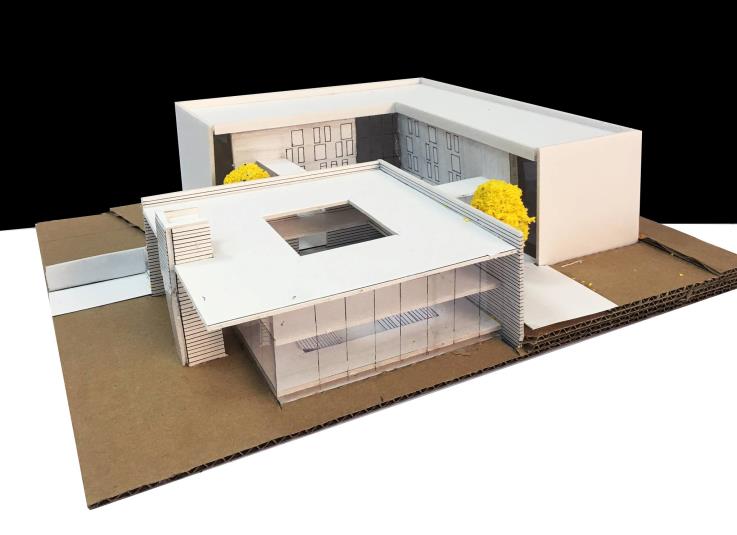
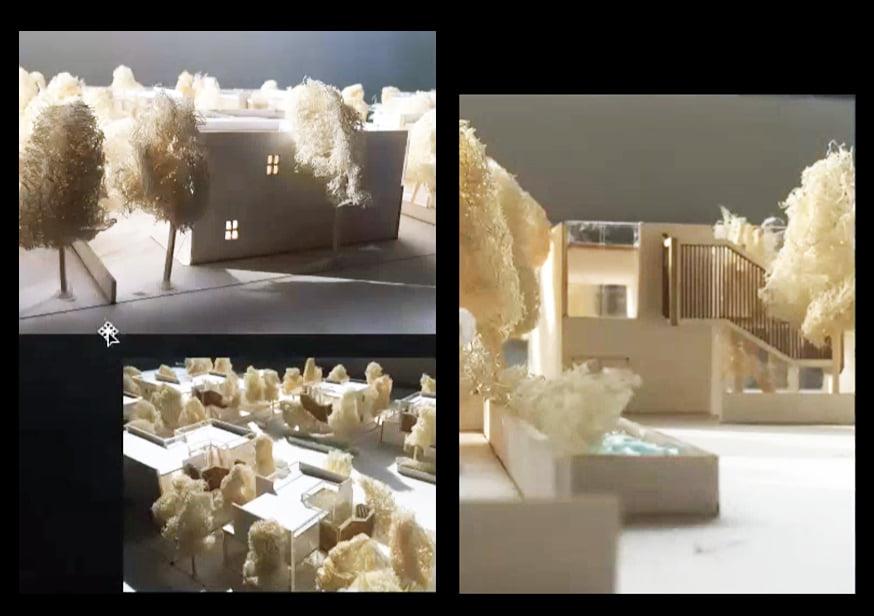
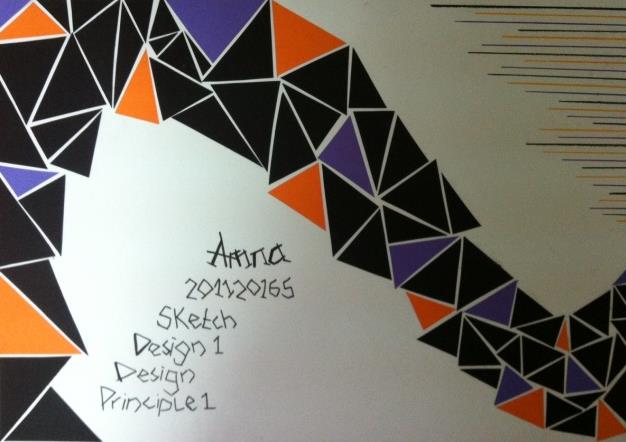
At Al-Ahliya Amman University, Faculty of Architecture & Design, Murouj guided students through the whole sequence of design studios: from basic composition in the first year, through residential, commercial and touristic-market projects, to fifth-year graduation projects. The questions of her own practice enter the classroom: who dwells, which place, which time. She invites students to read a context before drawing it and to find in built heritage a source of ideas, not a model to repeat.
01
Reading the place
Survey, climate, materials and memory as the first design tool.
02
Critical thinking
Every formal choice must answer a social and cultural question.
03
From drawing to model
From 2D composition to 3D functional project: sketches, models, plans and sections as one process.
From the Journal
Latest writings
From vision to project